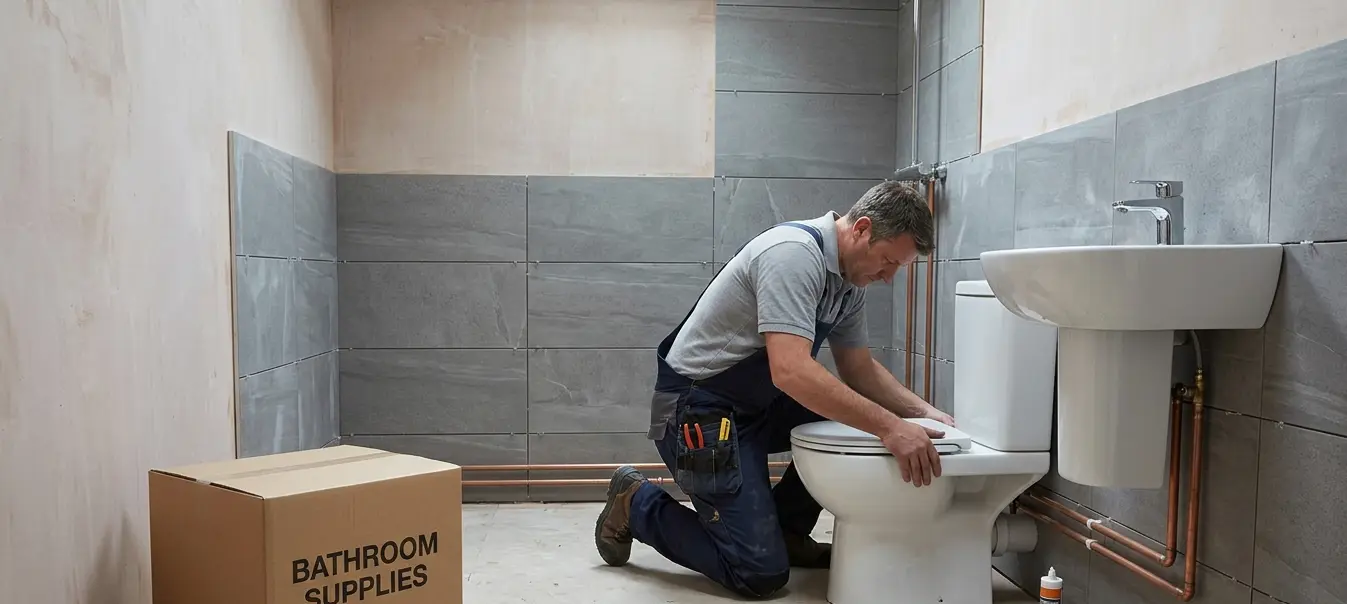
Before signing any bathroom fitting contract, confirm it includes a fixed price (not an estimate), an itemized scope of work, named brands and models for fixtures, a clear start and completion date, a payment schedule tied to milestones (not large upfront deposits), proof of insurance and Gas Safe registration where applicable, a written workmanship guarantee, a waste disposal clause, and a change-order process for anything added mid-job. A bathroom fitting contract checklist is very important in everyday life. If a contract is missing more than one of these, ask for it in writing before work begins.
Getting a new bathroom fitted is one of the more disruptive and expensive jobs you’ll do to your home. Most disputes between homeowners and fitters don’t come from bad tiling or a leaky tap. They come from a contract that was too vague to protect either side. A verbal “yeah, we’ll sort the tiling and get you a new suite in” is not a contract. It’s a guess dressed up as an agreement.
This checklist walks through everything a proper bathroom fitting contract should cover, why each section matters, and the red flags that suggest a fitter hasn’t thought the job through properly—or is leaving room to charge you more later.
Why a Written Contract Matters More for Bathrooms Than You’d Think
A kitchen fit-out is mostly carpentry and electrics. A bathroom fit touches plumbing, electrics, tiling, waterproofing, and often structural work around floors and stud walls all in a small, unforgiving space where mistakes are expensive to undo. Once tiles are up and a shower tray is bedded in, going back to “fix the scope” means ripping work out.
A solid contract isn’t about distrust. It’s about making sure you and your fitter are picturing the same finished bathroom, at the same price, on the same timeline before either of you spends a penny.

The Bathroom Fitting Contract Checklist
1. Fixed Price, Not a Ballpark Estimate
A quote and an estimate are not the same thing. An estimate can move. A quote ideally written into the contract as a fixed price shouldn’t, unless you change the scope yourself. The bathroom fitting contract checklist helps to do this.
What to check:
- The contract states a total fixed price, not “approximately” or “in the region of.”
- Labour and materials are broken out separately so you can see where the money goes
- VAT is shown clearly, included or excluded
If a fitter resists giving you a fixed price for a standard refit, ask why. Genuinely unknown variables (rotten subfloor behind old tiles, for example) should be flagged as a named contingency, not used as an excuse to avoid pricing the job properly.
2. Itemised Scope of Work
This is the single most important section and the one most homeowners skip reading closely. “Bathroom renovation” is not a scope of work. Proper scope names:
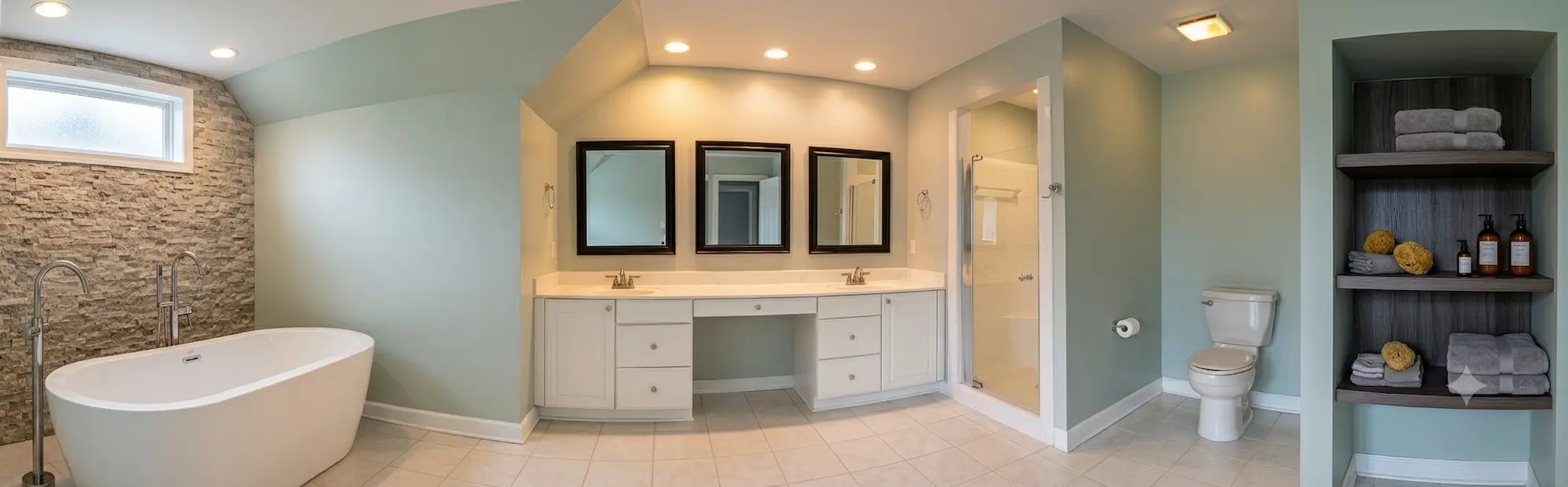
- Demolition and removal of the old suite, tiles, and flooring
- Plumbing—relocating or replacing pipework, new shower valve, new waste runs
- Electrics — extractor fan, shaver socket, lighting, any rewiring needed for an electric shower
- Tiling — walls, floor, or both, and to what height
- Waterproofing/tanking — required around showers and wet areas, and often skipped by corner-cutting fitters
- Fitting of the suite—toilet, basin, bath or shower tray, taps
- Making good—plastering, sealant, decorating if included
If your contract just says “supply and fit bathroom,” push back and ask for an itemized version before signing.
3. Named Materials, Brands, and Models
“Standard fixtures” and “good quality tiles” mean nothing in a dispute. The bathroom fitting contract checklist or an attached sheet should name the following:
- Exact tile range, size, and finish (and who’s supplying it: you or the fitter)
- Sanitaryware brand and model (toilet, basin, bath)
- Shower type (electric, mixer, digital) and brand
- Taps and fittings
This protects you from a downgrade mid-job and protects the fitter from you assuming “luxury” when the quote priced “mid-range.”
4. Start Date, Completion Date, and Working Hours
Vague timelines are one of the biggest sources of frustration in bathroom fitting. The Bathroom Fitting Contract Checklist should state the following:
- A confirmed start date
- An estimated completion date or working-day count (most refits run 5–10 working days; full strip-outs can run longer)
- What happens if the job overruns due to the fitter, versus delays caused by you (late material delivery, access issues)
- Working hours and whether the bathroom will be left usable overnight or fully out of action
5. Payment Schedule Tied to Milestones
This is where a lot of disputes start. A fair payment structure looks something like this:
- A modest deposit to secure the booking and order materials (commonly 10–25%, not 50%+)
- A mid-project payment once first-fix plumbing/electrics and tiling are complete
- A final payment only on completion, after you’ve inspected the finished work
Red flag: any contract asking for the majority of the total cost before work starts or demanding large cash top-ups mid-job that weren’t in the original price.
6. Insurance and Qualifications
The contract or an attached certificate should confirm:
- Public liability insurance (so you’re covered if something goes wrong on-site)
- Gas Safe registration, if the job involves a gas-fired shower, boiler work, or moving gas pipework
- Part P electrical compliance for any new circuits or sockets in the bathroom (a special location under UK wiring regs)
Ask for proof, not just a claim. A legitimate fitter will have certificates ready to show you.
7. Workmanship Guarantee, in Writing
“We guarantee our work” is not a guarantee; it’s a sentence. A written guarantee should specify the following:
- How long the guarantee runs (commonly 1–2 years on workmanship; longer on waterproofing/tanking is a good sign)
- What it covers (labour and installation) versus what it doesn’t (manufacturer defects on products you supplied yourself)
- How to make a claim and what response time to expect
8. Change Order Process
Almost every bathroom job has at least one mid-project change, a different tap, an extra shelf, or moving a light switch. The contract should set out:
- How a change is requested and approved (ideally in writing, even a text or email confirmation)
- How the change is priced before the work happens, not invoiced as a surprise afterward
9. Waste Removal and Site Condition
The Bathroom Fitting Contract Checklist contains all the things needed.
Small line, often forgotten:
- Who removes the old suite, tiles, and rubble, and is the cost included?
- What state is the room left in each day (sealed off, dust sheets, access to the rest of the house)?
10. Cancellation and Dispute Terms
Look for what happens if either side needs to cancel and how disagreements are resolved ideally with a simple written process rather than with nothing at all.
Quick Reference: Contract Checklist
| Item | Present? |
| Fixed total price (labour + materials split out) | ☐ |
| Full itemised scope of work | ☐ |
| Named brands/models for suite, tiles, taps | ☐ |
| Confirmed start date and timeline | ☐ |
| Milestone-based payment schedule | ☐ |
| Proof of public liability insurance | ☐ |
| Gas Safe / Part P compliance (where relevant) | ☐ |
| Written workmanship guarantee with duration | ☐ |
| Change order / variation process | ☐ |
| Waste removal included and stated | ☐ |
If more than one or two boxes go unchecked, ask the fitter to update the contract before you sign — not after work starts.
Get a Properly Scoped Quote Before You Sign Anything
A checklist helps you spot a vague contract, but the easiest way to avoid one altogether is to start with a fitter who provides a fully itemized, fixed-price quote from the first conversation.
Planning a bathroom refit in Wolverhampton?
Get in touch for a free, no-obligation quote. We’ll walk you through the full scope, materials, and timeline in writing before you commit to anything.
Frequently Asked Questions
Do I legally need a written contract for a bathroom-fitting job?
There’s no law requiring it for most domestic jobs, but without one, you have little recourse if the work isn’t completed as agreed. A written contract, even a simple one-page version for smaller jobs, protects both parties.
How much deposit is reasonable for a bathroom fit?
Most reputable fitters ask for 10–25% upfront to cover material ordering. Be cautious of anyone asking for 50% or more before work has started.
What if my fitter doesn’t provide an itemized scope of work?
Ask for one in writing before signing. If they’re unwilling or unable to break the job down, treat it as a warning sign about how the project will be managed.
Can a fitter charge me extra after the contract is signed?
Only for genuine, agreed-upon changes to scope, and even then, the price should be confirmed before the extra work happens, not invoiced as a surprise.
How long should a bathroom fitting contract take to complete once signed?
Most standard bathroom refits run 5–10 working days once work starts. Full strip-outs involving structural changes, moved plumbing, or wet room conversions can take 2–3 weeks or more. Your contract should state an estimated working-day count or completion date, not just a vague “a couple of weeks.”
What’s the difference between a quote and an estimate in a fitting contract?
A quote is a fixed price the fitter commits to for the agreed scope of work. An estimate is a rough figure that can change once work begins. Always insist on a written quote in the contract, not an estimate, and if the price does need to change, it should only be due to a scope change you’ve agreed to, not unexpected “extras.”
Should I get more than one quote before signing a contract?
Yes, getting 2–3 written quotes lets you compare not just price but also how thoroughly each fitter has scoped the job. A fitter who gives a detailed, itemized quote has usually planned the job properly. One who gives a single lump-sum figure with no breakdown may not have.
What happens if the fitter finds unexpected problems once work starts (e.g., rotten subfloor, old pipework)?
This should be addressed in the contract before work begins, not left as an open-ended risk. A good contract will include a contingency clause stating how unforeseen issues are handled; for example, work pauses, you’re shown the problem, and a written cost is agreed upon before any extra work or charge happens.